Meta Raybans x Healthcare? Some thoughts
Get Out-Of-Pocket in your email
Looking to hire the best talent in healthcare? Check out the OOP Talent Collective - where vetted candidates are looking for their next gig. Learn more here or check it out yourself.
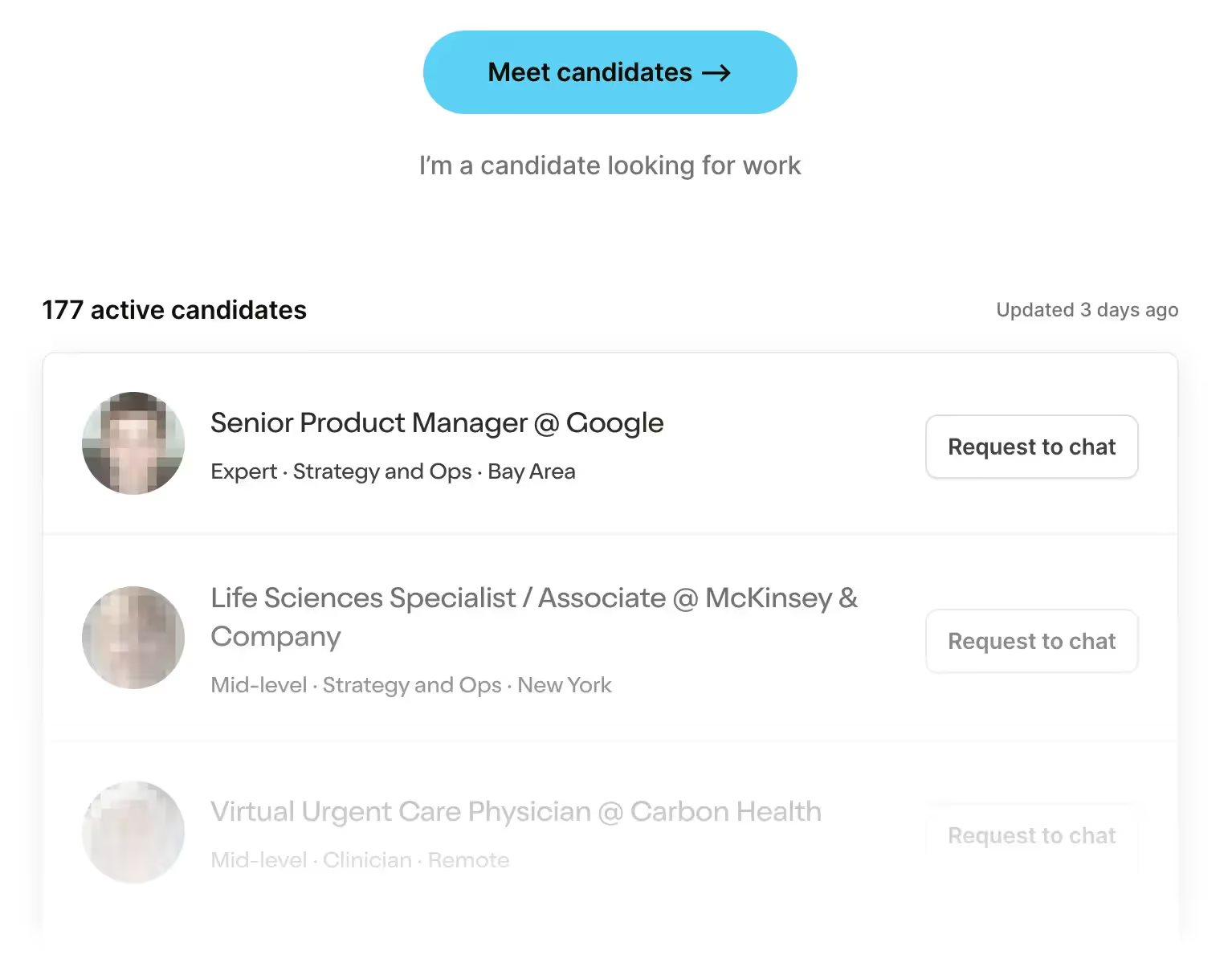 Hire from the Out-Of-Pocket talent collective
AI Agents in Healthcare Ops 101

Featured Jobs
Finance Associate - Spark Advisors
- Spark Advisors helps seniors enroll in Medicare and understand their benefits by monitoring coverage, figuring out the right benefits, and deal with insurance issues. They're hiring a finance associate.
- firsthand is building technology and services to dramatically change the lives of those with serious mental illness who have fallen through the gaps in the safety net. They are hiring a data engineer to build first of its kind infrastructure to empower their peer-led care team.
- J2 Health brings together best in class data and purpose built software to enable healthcare organizations to optimize provider network performance. They're hiring a data scientist.
Looking for a job in health tech? Check out the other awesome healthcare jobs on the job board + give your preferences to get alerted to new postings.
This episode of Out-Of-Pocket is brought to you by...
EHR integrations are notoriously slow. We're talking "grind for hours, farm for resources, never quite level up" slow. Redox cuts that timeline dramatically with configurable connections already established across 12,000+ systems. That's not a sales number; it's a library of solved problems your team gets to skip entirely. Add in experts who've seen every gnarly edge case imaginable and will actually respond when you need them, and shipping fast stops feeling like a fantasy.
I used Google Glass in 2013
Time to drop some insane Nikhil lore on you.
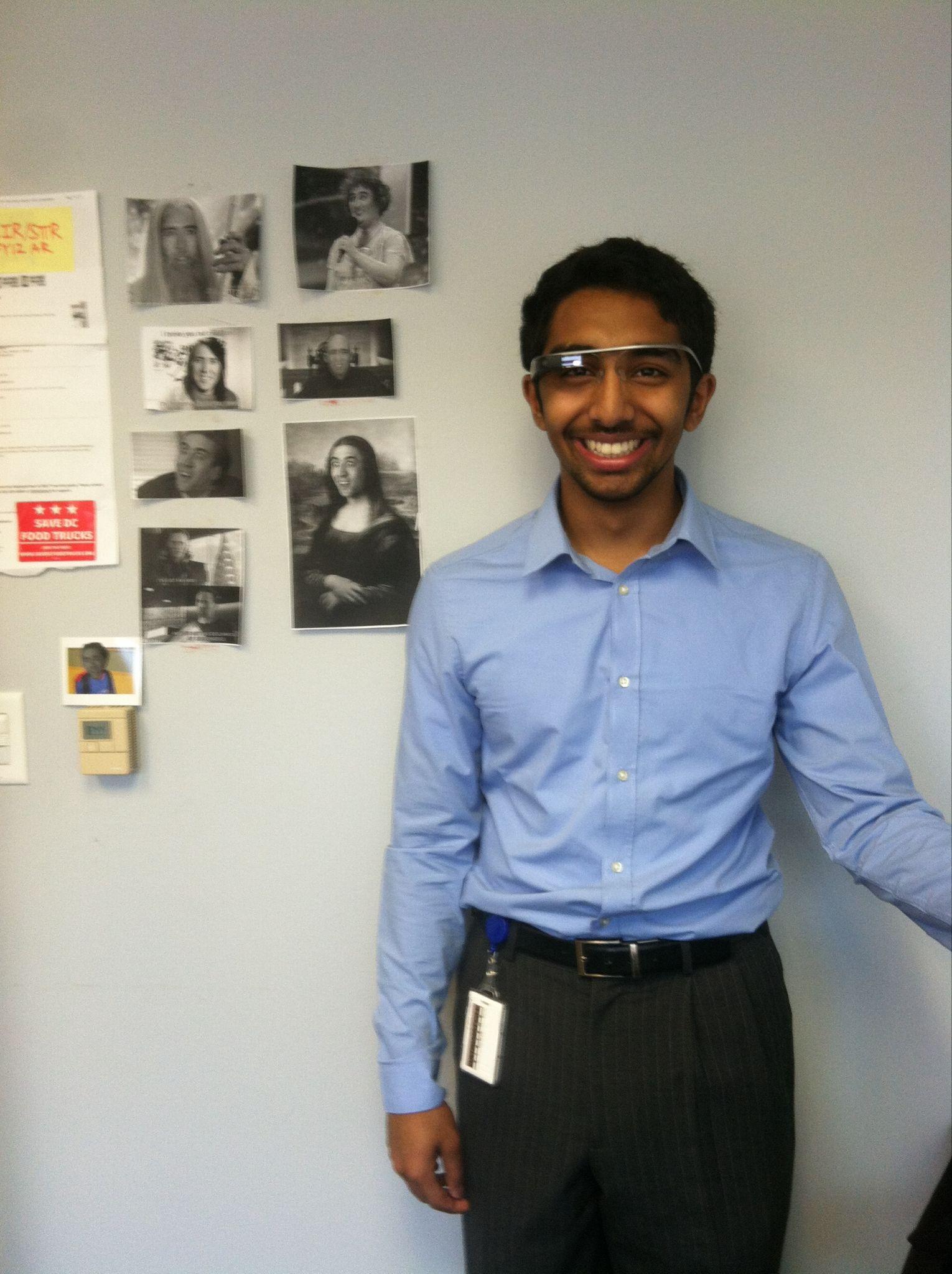
In 2013 I interned at the Small Business Administration in DC. I told the team there I liked Nicholas Cage and they photoshopped Nic Cage onto a bunch of very popular memes at the time. You think memes are your ally, but I was born in it.
During this time, Google Glass was making a huge splash. People thought this was the future of interfaces - people forget that A16Z and Kleiner Perkins were pretty all-in on this! There were even healthcare companies like Augmedix that were allowing doctors to see medical records + use scribes to create notes.
My boss at the time Andrew Lee actually had a pair of Google Glasses and let me rock them for a week. I look extremely muggable wearing these, and honestly I'm feeling the urge to bully MYSELF. Who knew a piece of technology could act as contraception.
The main issue besides them looking uncool is that there...wasn't really much you could do with it. There were basically no killer apps, if I remember the only one was maybe Google Maps that was kind of clunky.
But they did have a few nifty things. Like I remember if you winked it would take a photo automatically, though it was really finicky so it started looking Tourrete's-ish if you had to do it multiple times.
But it seems like things have changed a lot in the last 13 years...
{{interlude 3}}
2026 - Meta Raybans
Let's fast forward to 2026. At our hardware hackathon, we got a bunch of Meta Raybans for the hackers to build with.
I also wore them for basically the whole hackathon to play around with them. The only available ones were the sunglasses, so I was basically walking around aura farming while wearing sunglasses indoors.
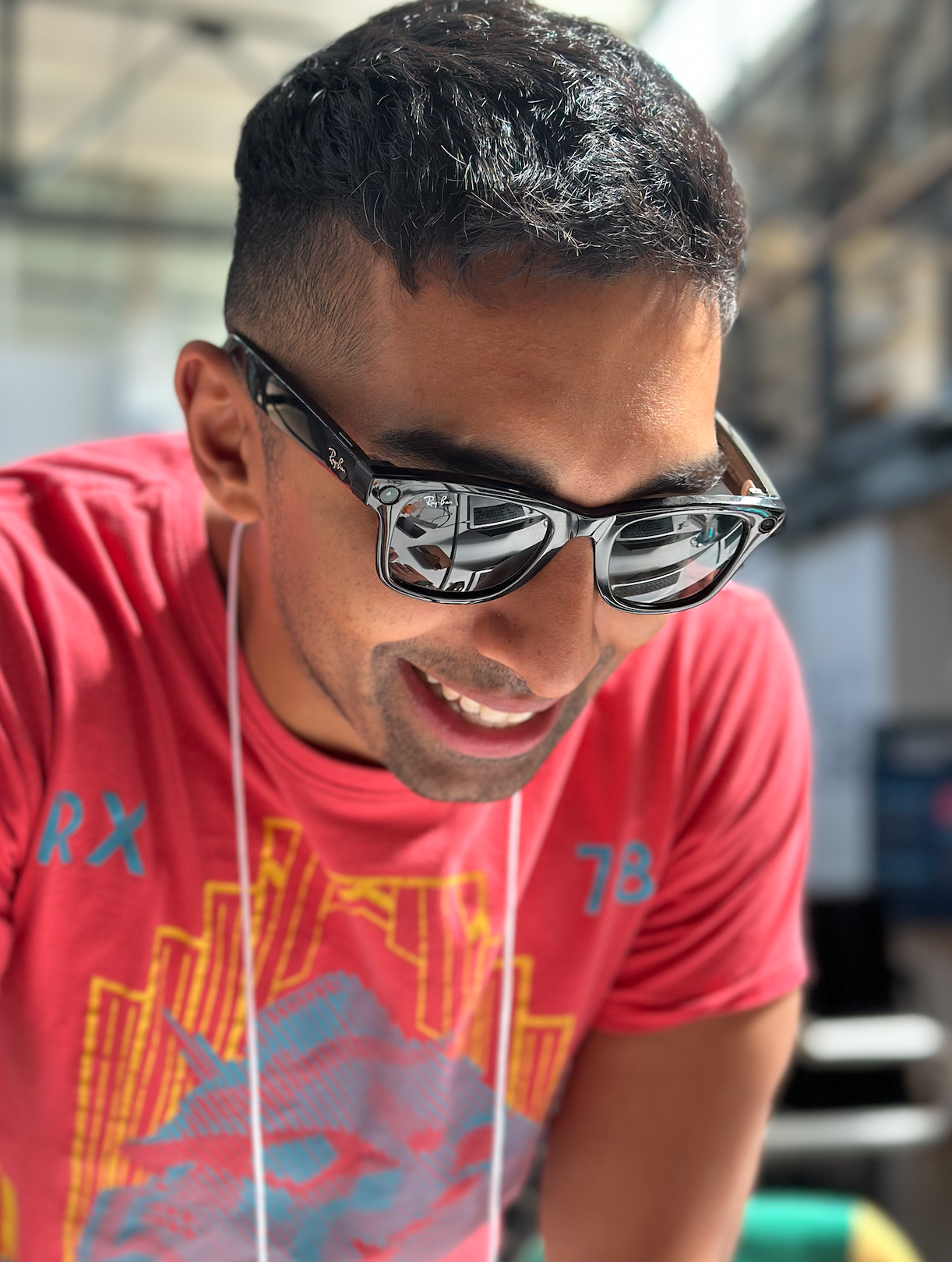
In the 13 years since I tried Google Glass, it's clear quite a bit has changed. A few things that I think make these particularly interesting in healthcare
The bone conduction tech is really impressive, and I think the most underrated part about them. The glasses can talk to you without anyone knowing you're listening to something, which I think is interesting + removes the rudeness factor that comes with wearing headphones during a conversation.
Also the AI is decent at telling you what you're looking at. I would ask the glasses what I was eating, and it correctly could identify things like hummus and pita (it did think falafel were meatballs, which is a reasonable mistake).
The voice controls are much better now, obviously. You can ask it questions like you would to Alexa/Google home, tell it to do things like call someone or take a video, etc. without needing to use your hands.
And the newer glasses model introduces two new things: a screen inside the glasses themselves where you can see videos that the other person can't see, and an arm band that allows you to control that screen by doing things like making a fist, twirling your thumb to rewind, etc.
And finally, they actually don't look TOO dorky. The frames are a little thick, but like 50% of product designers are wearing frames like this + a black longsleeve anyway.

Why it might be useful in healthcare
As I'm using them, I'm starting to think about how these could be useful in healthcare. I really wish I could think about dev infrastructure ideas and actually make some money, but the voices in my head whisper about RCM.
Some reasons I think it could be useful in healthcare
I can see this form factor being useful for "guardian angel" tech that whispers in your ear to help you out. The most obvious would be for people that are visually impaired by being able to describe the world around them and guide them. But it's also a better form factor for doing things like listening to what the doctor/pharmacist is telling you and giving you advice or follow up questions in real-time. The phone works, but it's awkward to whip out/take pictures.
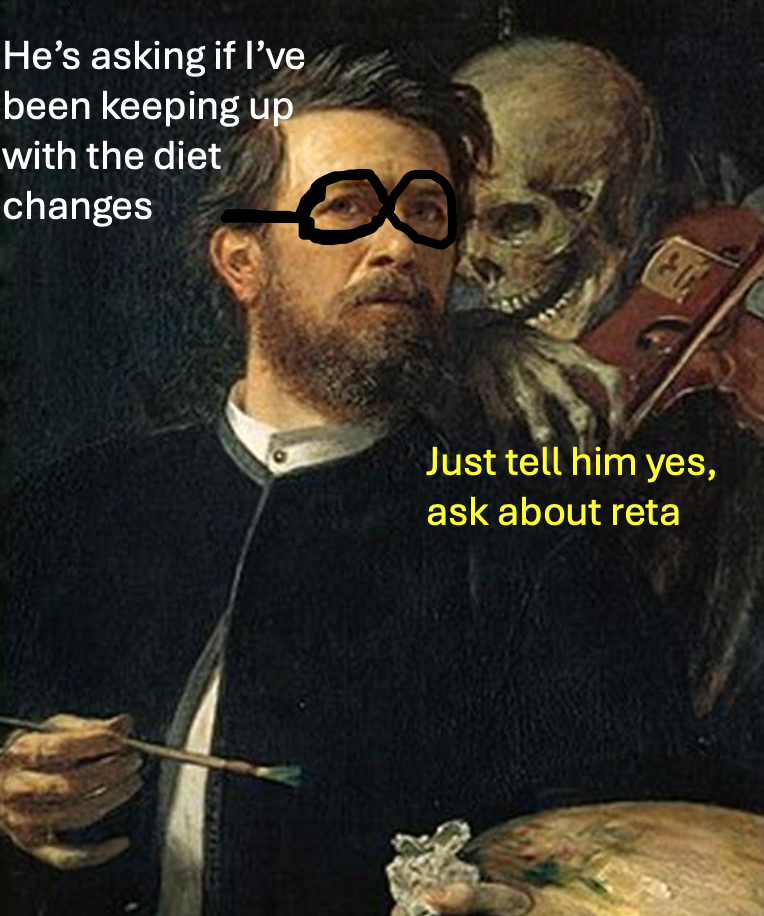
It's also going to be useful for hands-free environments, which healthcare has a lot of. A great example was one hackathon project that used the Meta Raybans to assist nurses in triaging wounds. Not all nurses have seen a bunch of wounds, so the assist is helpful. Plus they're wearing gloves and need to give image inputs. Think about all the areas in healthcare where people need to stay hands-free without their phone.
It'll be really helpful to give someone access to the glasses feed and give them the exact point of view you're seeing. Right now you need to angle phones or camera and video based consults/customer support just doesn't really happen.
So I thought of some use cases in healthcare that this would be helpful for.
This episode is also supported by...

Healthcare specific ideas for the glasses
A few ideas on how you can use the glasses in healthcare. Would love to hear yours.
Parenting assist - With a small baby, I'm frequently in "look ma no hands" mode. Voice and video in the glasses would be an excellent interface when I can't use my hand. Beyond that, there are so many situations where I need to track something and wish it was done passively or started with a voice trigger. Tracking a rash day by day, counting how long a feed was, etc. If that could be captured passively that would be awesome.
Guardian for seniors - A tool that can assist older people by reminding them to take meds and ensuring they're the correct ones, watching out for fall hazards, etc.

The modern Life Alert probably looks like glasses, something a person would wear everyday vs. a standalone device. Since it's multipurpose, it doesn't have to look like something that identifies you as "old" the same way hearing aids do.
Home health + (yes, fine) RCM - the voices won. Field clinicians (home health, hospice, community health workers) do the entire job hands-full in someone's living room and then have to reconstruct it afterward into OASIS assessments and visit notes that feed billing. It's a documentation and RCM nightmare because nobody can chart while they're kneeling on a patient's bathroom floor. POV capture means ambient documentation that also happens to spit out the codes.
Lab work - So much of the wet lab job is gloved with both hands on a pipette. Being able to put the protocol in your field of view and track that you're doing it (I remember working in a lab and wondering "shit did I do that plate already"). This could also act as the audit/compliance trail for things like GxP compliance.
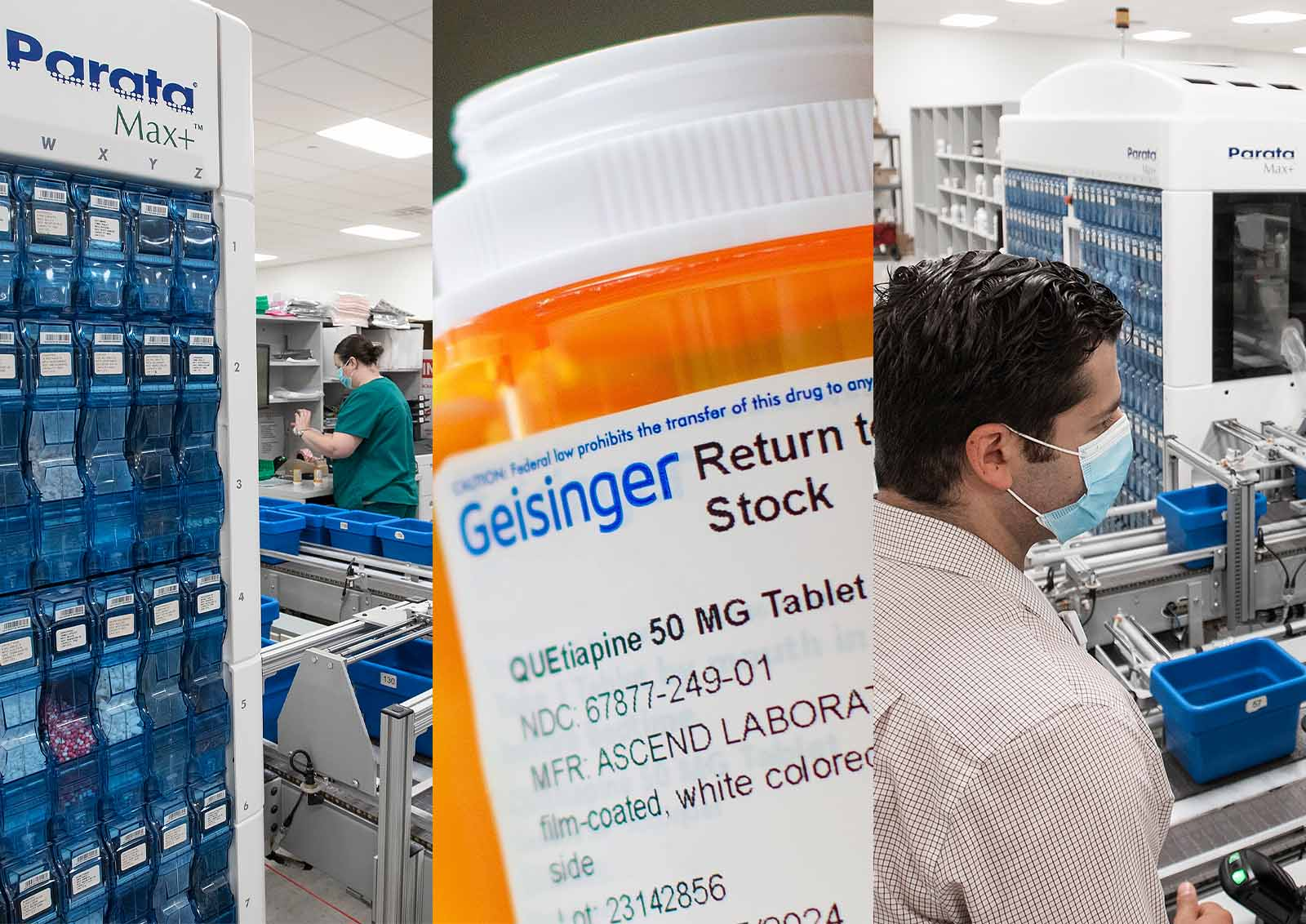
Any med warehousing/inventory - Any place where you are managing inventory quickly and looking up bar codes feels like eventually a good place for this. Mail-order pharmacies to verify meds, sterile processing technicians, clinical research staff checking kits at a site, etc.
Drawbacks + bigger questions to think about
But for all these dreams, the glasses aren't QUITE there yet. There are still some challenges before I think they become mass adopted.
The controls have gotten a lot better but definitely not perfect. The hand controls are still pretty finicky and the voice controls are too embarrassing to use in public. I kept saying "Hey Meta, take a video" and the hackers would just groan and watch me do it.
The AI models and latency are still not quite there to give granular enough information that feels reliable or delivered in the time frame I need it. I think this will improve as the models themselves improve.
The context window needed to interpret video data in real-time is absolutely enormous. SteadyStep was an app made at our hackathon on top of the glasses that analyzed the room to detect fall risks. They had to route everything to some cloud GPU farm to be able to use it in real-time for one task. An always on version tracking everything would be crazy.
There's a broader question around how the cultural norms around this change, because it's still a little weird when the light is on your glasses and people ask if you're recording. In a business setting it actually feels easier to explain and justify the recording if you ask at the beginning. Plus everything is going to be recorded anyway.
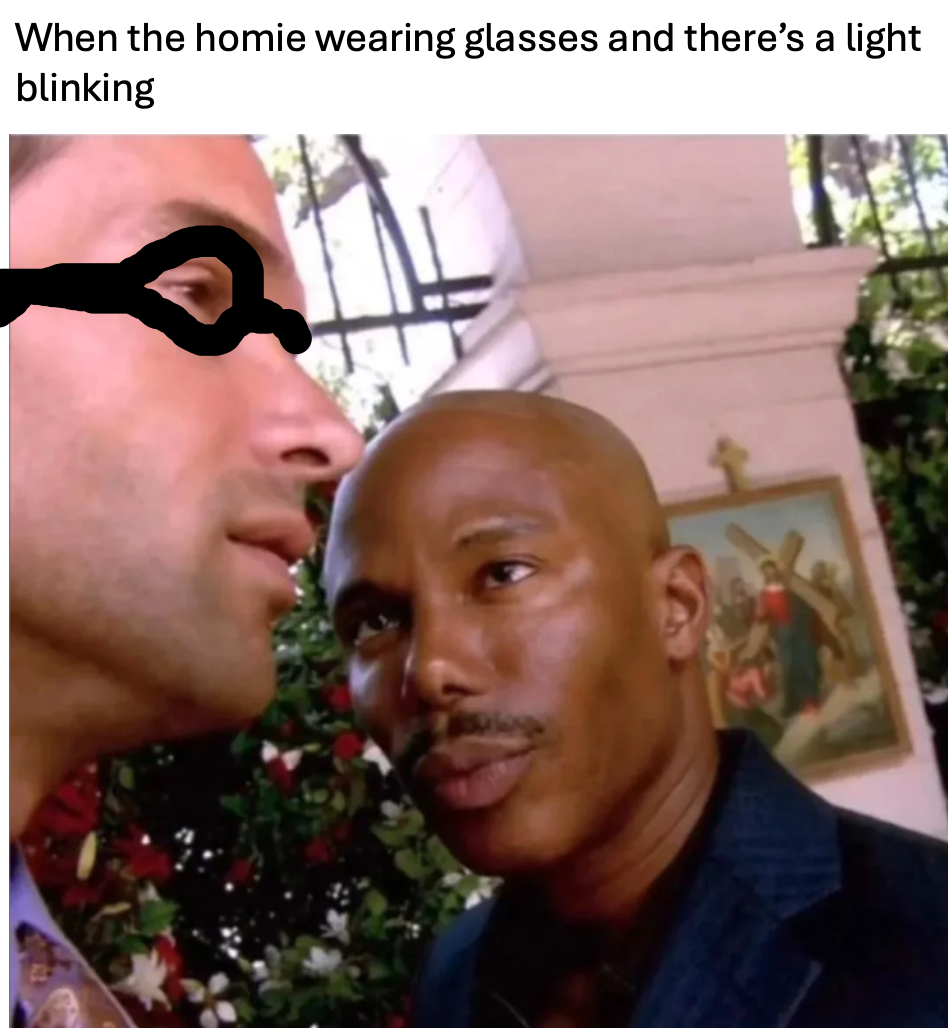
Also if everyone has a video playing in the bottom right or glasses talking to them, will people pay attention when you're talking? You know when you're talking to someone on Zoom and they're clearly looking at another tab? Am I going to be telling someone about my day while they're actually watching short form videos about people making jerky out of increasingly rare meats?
But at a high level I think smart glasses are a cool form factor and will have interesting use cases in healthcare. It will still probably be a while before we see mass adoption and likely hinges on being able to be "always on".
At the very least I encourage you all to try on the new versions and see them for yourself. If you come to our next hackathon (which we're about to announce soon 👀, make sure you're signed up for the newsletter to be notified).
Thinkboi out,
Nikhil aka. "Smart glasses for dumbasses" aka. "Moggmented reality"
Twitter: @nikillinit
Other posts: outofpocket.health/posts
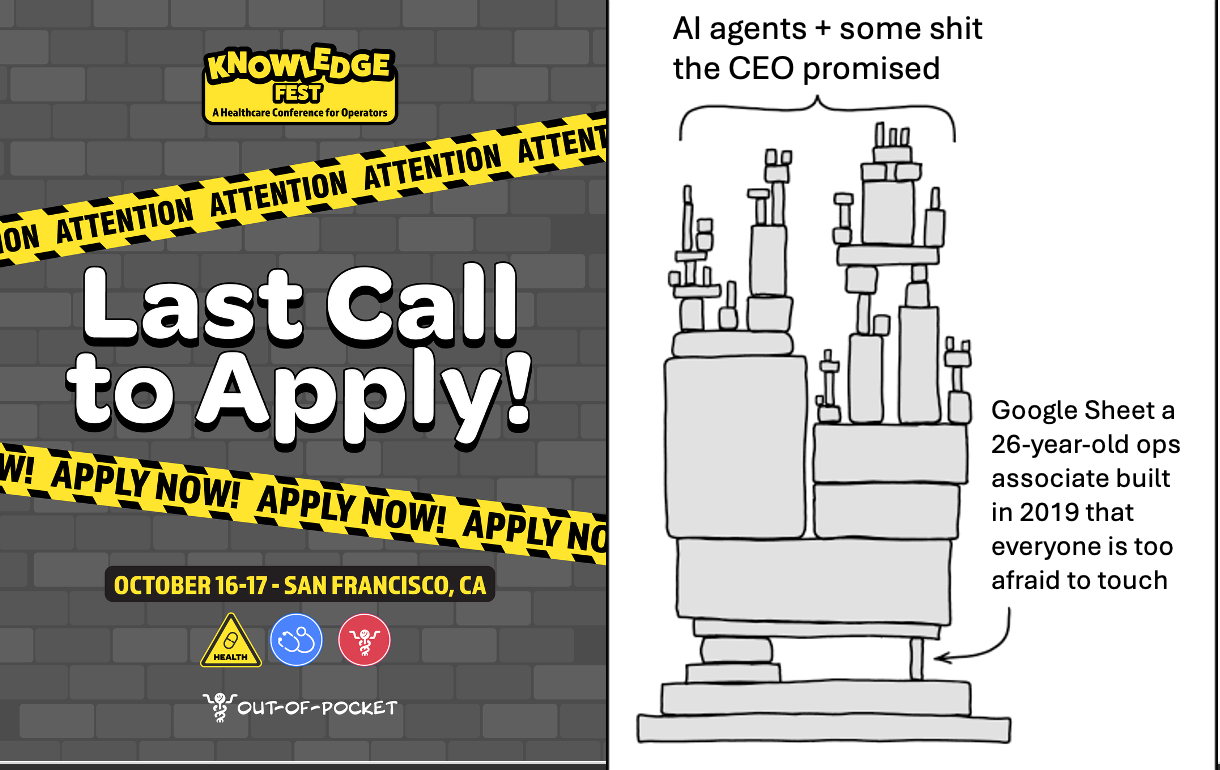
Quick Interlude - “Am I a fit for Knowledgefest?”
See All Courses →Based on the questions I’m getting about Knowledgefest, I’m doing a really bad job explaining who should come.
The conference is for anyone building in healthcare.
- It is not specific to companies delivering patient care - Lots of people at software only, insurance, etc are coming.
- Any size of company can come - We have two person just out of YC companies, people that run ops at clinics, to F500 companies.
- You can be any role - Almost every role touches ops in some way. Product, founders, clinical, etc. should definitely come.
You should apply if you’re not sure, and we’ll let you know :)
Get Out-Of-Pocket in your email