Some sick wearable projects
Get Out-Of-Pocket in your email
Looking to hire the best talent in healthcare? Check out the OOP Talent Collective - where vetted candidates are looking for their next gig. Learn more here or check it out yourself.
 Hire from the Out-Of-Pocket talent collective
AI Agents in Healthcare Ops 101

Featured Jobs
Finance Associate - Spark Advisors
- Spark Advisors helps seniors enroll in Medicare and understand their benefits by monitoring coverage, figuring out the right benefits, and deal with insurance issues. They're hiring a finance associate.
- firsthand is building technology and services to dramatically change the lives of those with serious mental illness who have fallen through the gaps in the safety net. They are hiring a data engineer to build first of its kind infrastructure to empower their peer-led care team.
- J2 Health brings together best in class data and purpose built software to enable healthcare organizations to optimize provider network performance. They're hiring a data scientist.
Looking for a job in health tech? Check out the other awesome healthcare jobs on the job board + give your preferences to get alerted to new postings.
Hardware is so in right now
Hardware is seriously heating up. Whoop raised at a $10B valuation, Oura is filing to go public, and investors you’ve never heard of suddenly have strong takes on robotics (???).
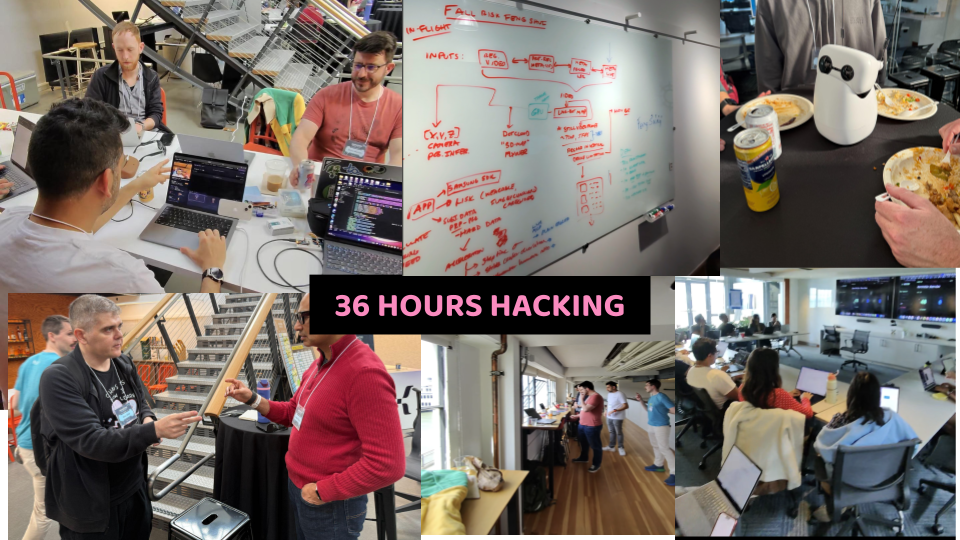
Our hardware hackathon in April gave us a lot of ideas on what the future of hardware might look like in healthcare specifically. You can see part 1 of the projects here - today we’re going to show you 7 more projects that were built from scratch in 36 hours.
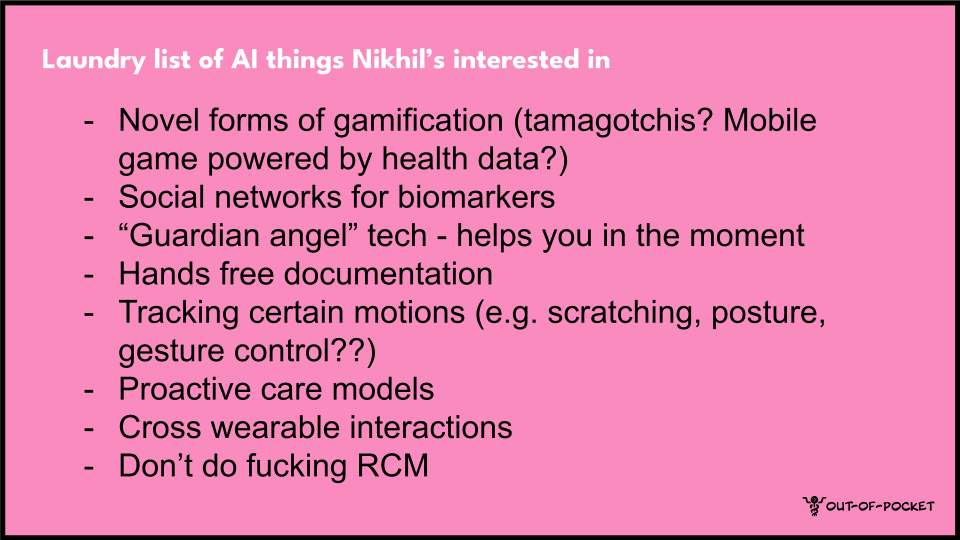
I gave some light prompting, maybe these will spur some ideas for you guys as you build.
A few other random musings about the hackathon and aftermath.
- We actually had some people get offers from meeting at the hackathon, IT’S WORKING hackathons can be work trials.
- Form factor of the hardware matters a lot. Do you want your hardware to not be noticeable? Be extremely noticeable to signal something to people?
- Figuring out exactly what nudges and information to “push” to people seems extremely hard. Too many and people ignore everything, not enough and users don’t see utility.
- I also think wearable companies are a bit TOO focused on utility today and not enough focus on fun! I loved how many projects tried to turn wearable data into something fun, social, and multiplayer
Below you’ll find the rest of the healthcare hardware projects. Reach out to teams if you find their projects interesting! It’s always really nice to hear from people on work you did.
PikaPal
[Winner of People's Choice Award 1st Place]
Team Involved:
Dara Rouholiman - darar@stanford.edu
Joshua Copeland - jshrcopeland@gmail.com
Anne Gu - annegublue123@proton.me
Raman Vilkhu - vilkhuraman@gmail.com
Summary:
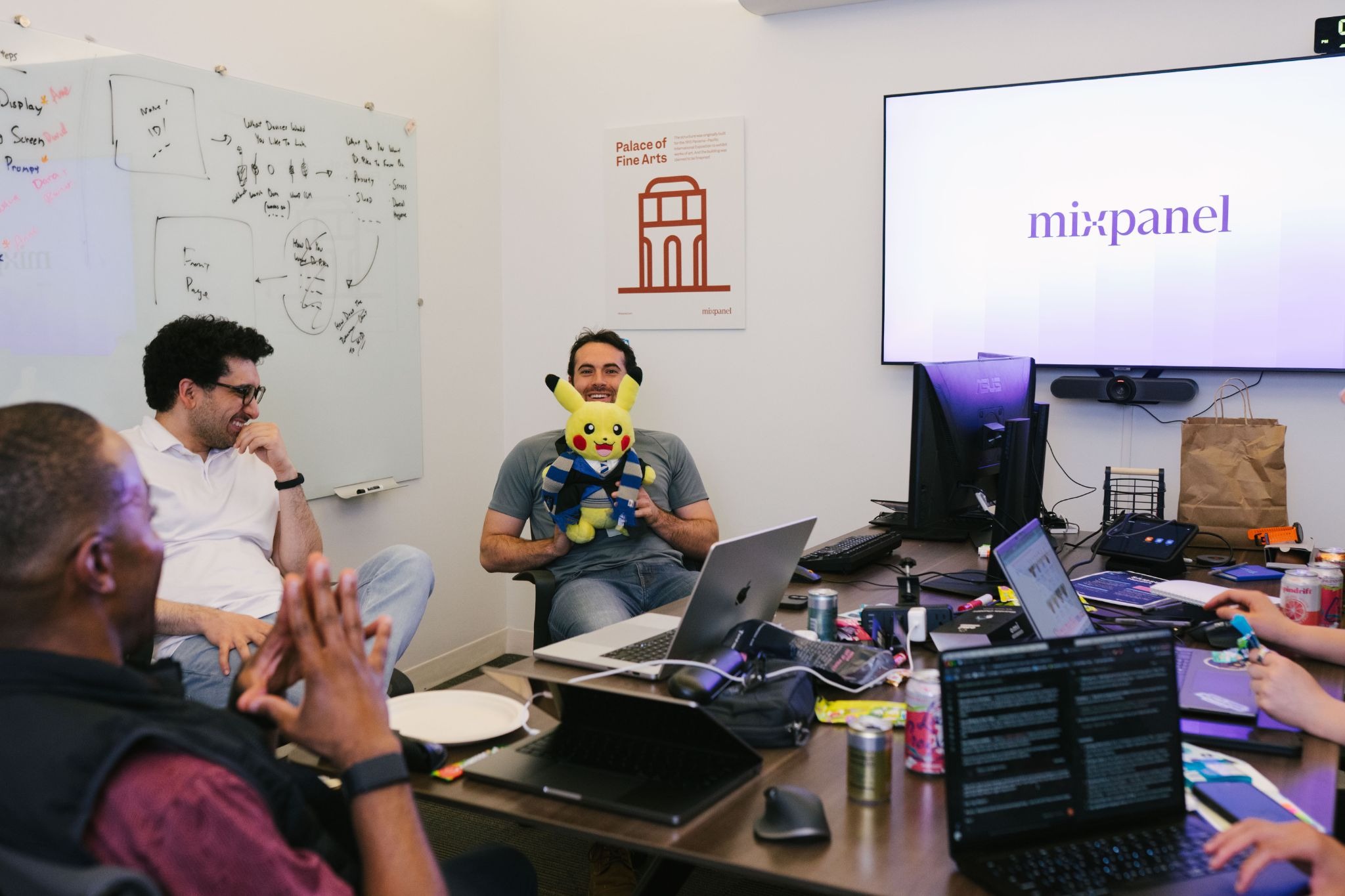
PikaPal is a child health companion platform that transforms wearable device data into personalised AI coaching delivered through a Pokémon your child already loves
Detailed description:
Today, children's health data is richer than ever; wearables capture sleep, activity, glucose, and oral health in real time. But that data lives across five different apps, written for adults, with no unified experience built for the child wearing the devices
PikaPal solves that by connecting to the wearable devices families already use, including Oura, Samsung smartwatches, WHOOP, continuous glucose monitors, and smart toothbrushes
On the child's side, a Pokémon companion coaches them after every healthy habit with a freshly generated, personalized conversation based on what actually happened that day. Sleep better and your Pokémon recovers faster. Brush thoroughly and your Pokémon will recognize that achievement. The result is a product that makes children genuinely want to take care of themselves; not because they were told to, but because their Pokémon is counting on them.

Demo:
—
[NK note: Nintendo lawyers are gonna shoot me in the kneecaps for this one. Personally I’d prefer Cyndaquil anyway.
I loved this idea and not surprised it won. I feel like it’s hard to get kids to understand why doing something is good for their health, but they LOVE to take care of pets and make them feel healthy. Plus you can’t “see” yourself progressing as a kid getting healthy, but showing the Pikachu getting strong is way easier.
But it’s interesting to think about how much tracking people are going to want to do. Sometimes too much data around kids' behaviors just makes people anxious and worried.]
{{interlude 3}}
Vigil
Team Involved:
Sophia Ye - scye09@gmail.com
Aaron Soto-Karlin - aaron.soto.karlin@gmail.com
Jaz Allibhai - jaz.allibhai@gmail.com
Summary:
World's first real-time delirium detection powered by ambient sensing tech
Detailed description:
The Problem
Delirium affects up to 26% of hospitalized patients and 42% of those over 65, driving longer stays, higher mortality, and lasting cognitive decline. And it's chronically missed. Delirium goes unrecognized in 60-80% of cases (Pandian et al. 2026, Intensive & Critical Care Nursing)
The Solution
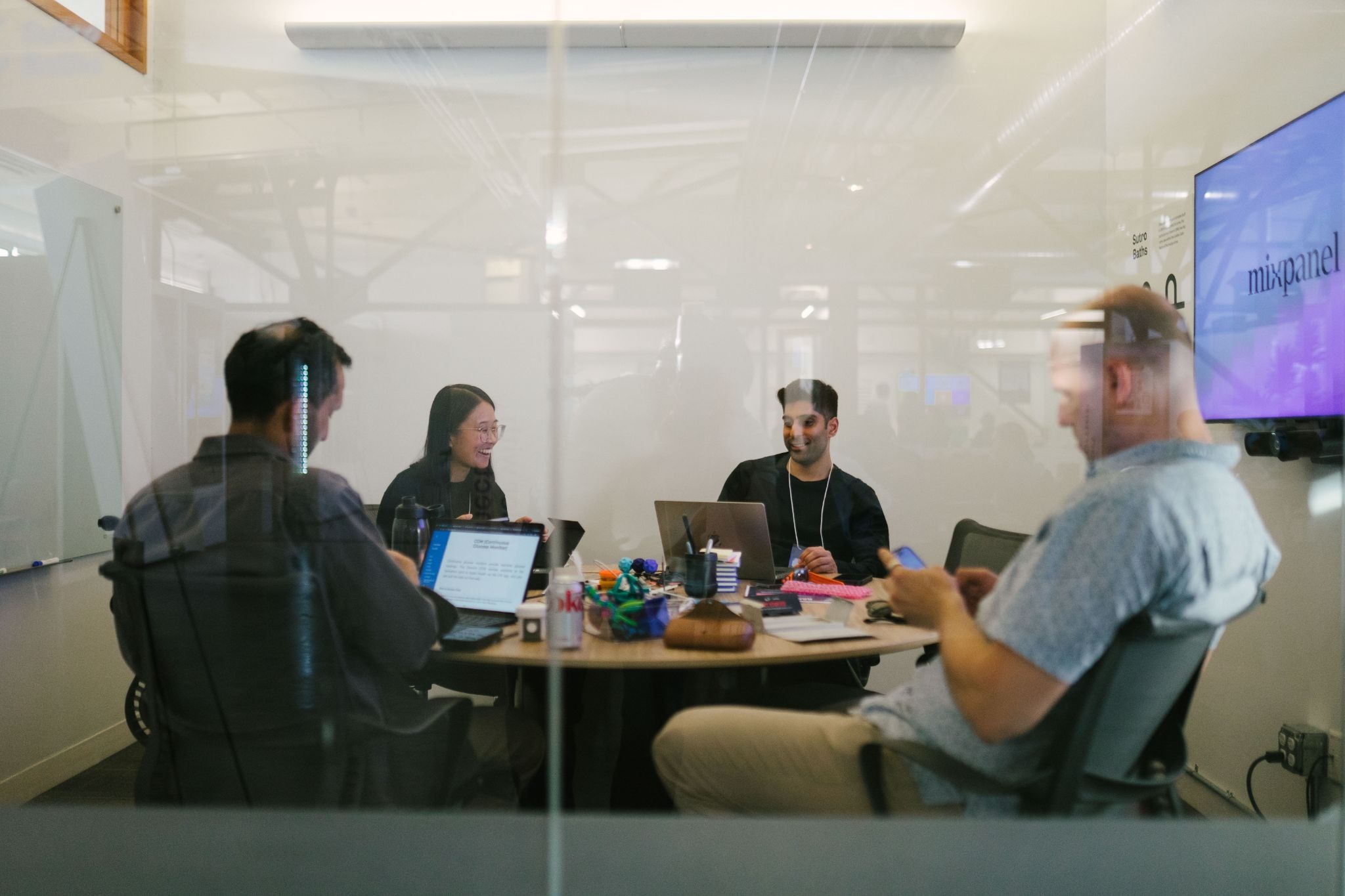
Vigil is an ambient bedside listener that captures patient speech via an Omi device, runs it through a delirium-risk classifier in real time so nurses know which room needs attention next and what's most likely to calm the patient once they walk in
How It Works
Omi for ambient audio capture, speaker diarization, and transcription; Anthropic's Claude for one-shot delirium classification and rationale generation; and a React frontend for the nurse-facing dashboard and per-patient redirection profiles.
Demo
—
[NK note: Team should’ve dogfooded their own product by 11 pm.
I’m always on the fence about adding more risk stratification tools within hospitals considering how many already exist and how the ones that can “kinda” detect risk tend to get ignored because they’re always going on. I do think this actually could be interesting for PATIENTS within the hospital to have a little ambient device - it could tell you where to go within the hospital + you could talk to it to make requests to your room vs. having to call the nurse each time.]
Libera: Your Go To Tool for GLP-1 Adherence and Persistence
Team Involved:
Ciara Dillon, Emma Moran, Sibi Sakthivel, Jennifer Jain, Christopher Benassi
The Problem:
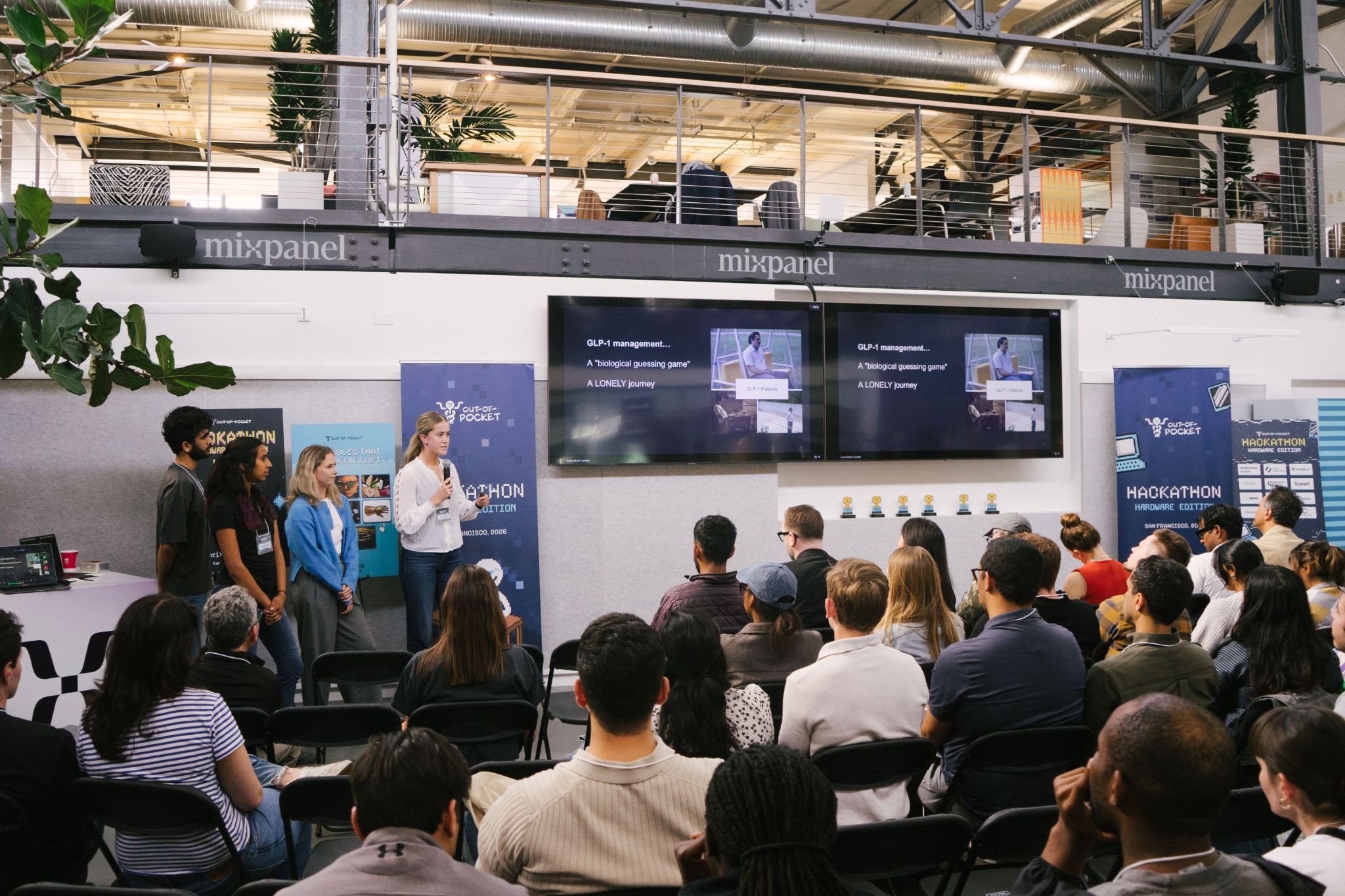
Data about my metabolic health is scattered across multiple platforms - Oura Ring insights, CGM apps, meal tracking tools, clinician notes, and subjective logs about hunger, mood, and energy. The only way to derive real value from these signals (e.g., optimizing GLP-1 response, preventing side effects, personalizing dosing and nutrition) is by consolidating them
Illustrative user experience: I notice unusual fatigue and reduced appetite while on a GLP-1. My CGM shows lower glucose variability, and my Oura Ring indicates poor sleep the night before. Without opening multiple apps, I log a quick note about how I feel. The system synthesizes these inputs and suggests adjusting meal timing, increasing hydration, and monitoring for potential under-fueling. It logs this as an “event,” tracks trends over time, and checks in the next day to reassess. At the same time, it connects me with a small group of “Warriors” - users experiencing similar symptoms - so I can see shared patterns, learn what’s worked for others, and feel supported through the journey
Demo:
—
[NK note: I’m actually pretty surprised GLP-1s don’t have companion trackers, feel like it would really help people titrate their dosing and figure out the best times of day to use them? Especially when it comes to people who get nauseous, or if I just need a quick bump to stop me from making an impulsive decision (brought to you by STAKE jk)]
Companion trackers > companion diagnostics.]
Woond
Team Involved:
Niki Pham, Mark Tate, Jennifer Mizhquiri Barbecho, Jeff Bargmann, Gus Ireland
Woond. Expert wound care. Every bedside, Every time.
Detailed description:
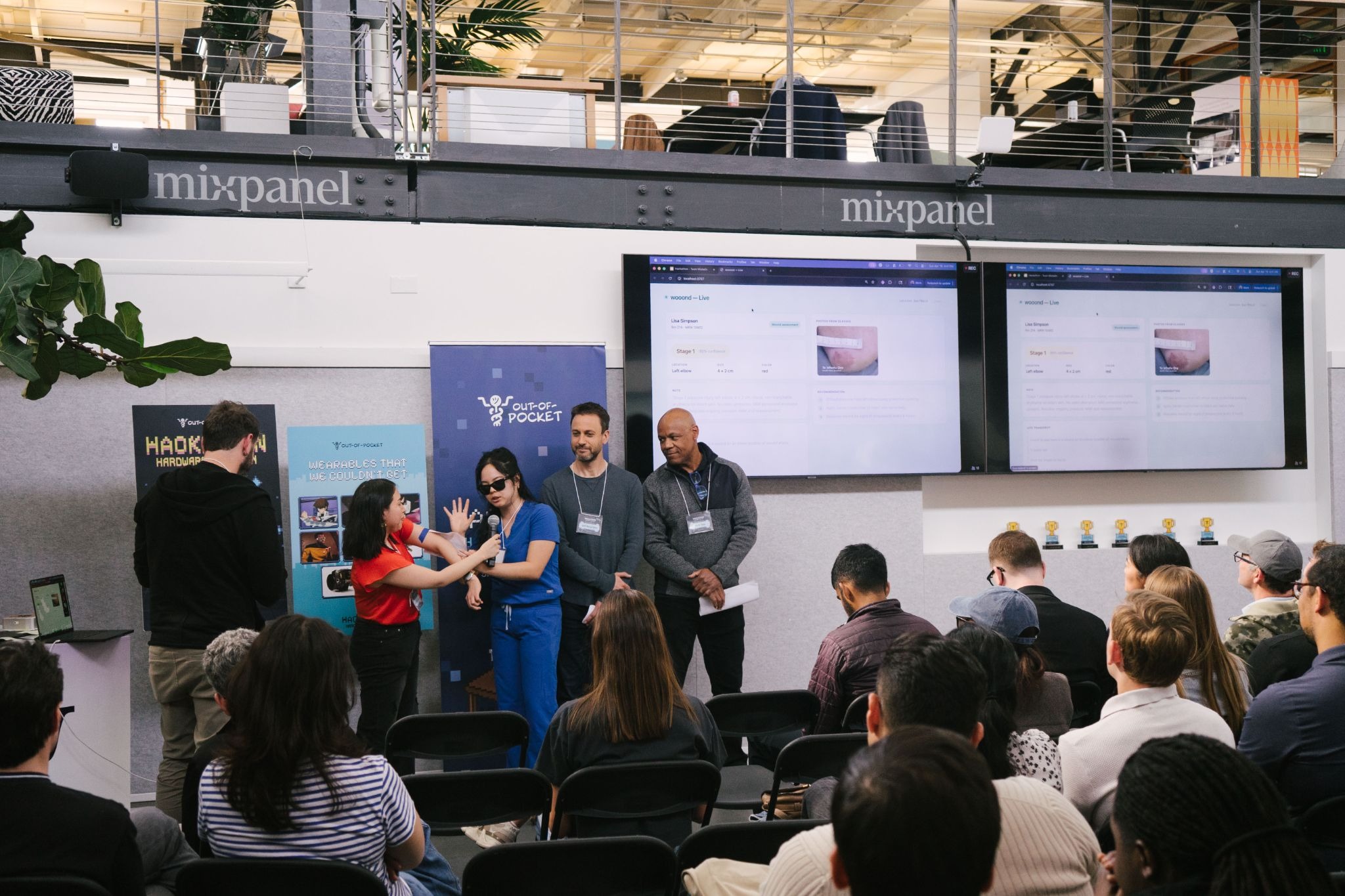
Woond is a hands-free Wound Assessment tool built that combines Meta Ray-Ban glasses with AI-guided staging, treatment recommendations, and live specialist consults to bring wound care expertise to the bedside
Chronic wounds cost Medicare $22.5 billion annually and affect 10.5 million Medicare patients, yet only 7,600 certified wound care specialists exist nationwide. More than half of nurses aren't confident they can correctly stage a wound
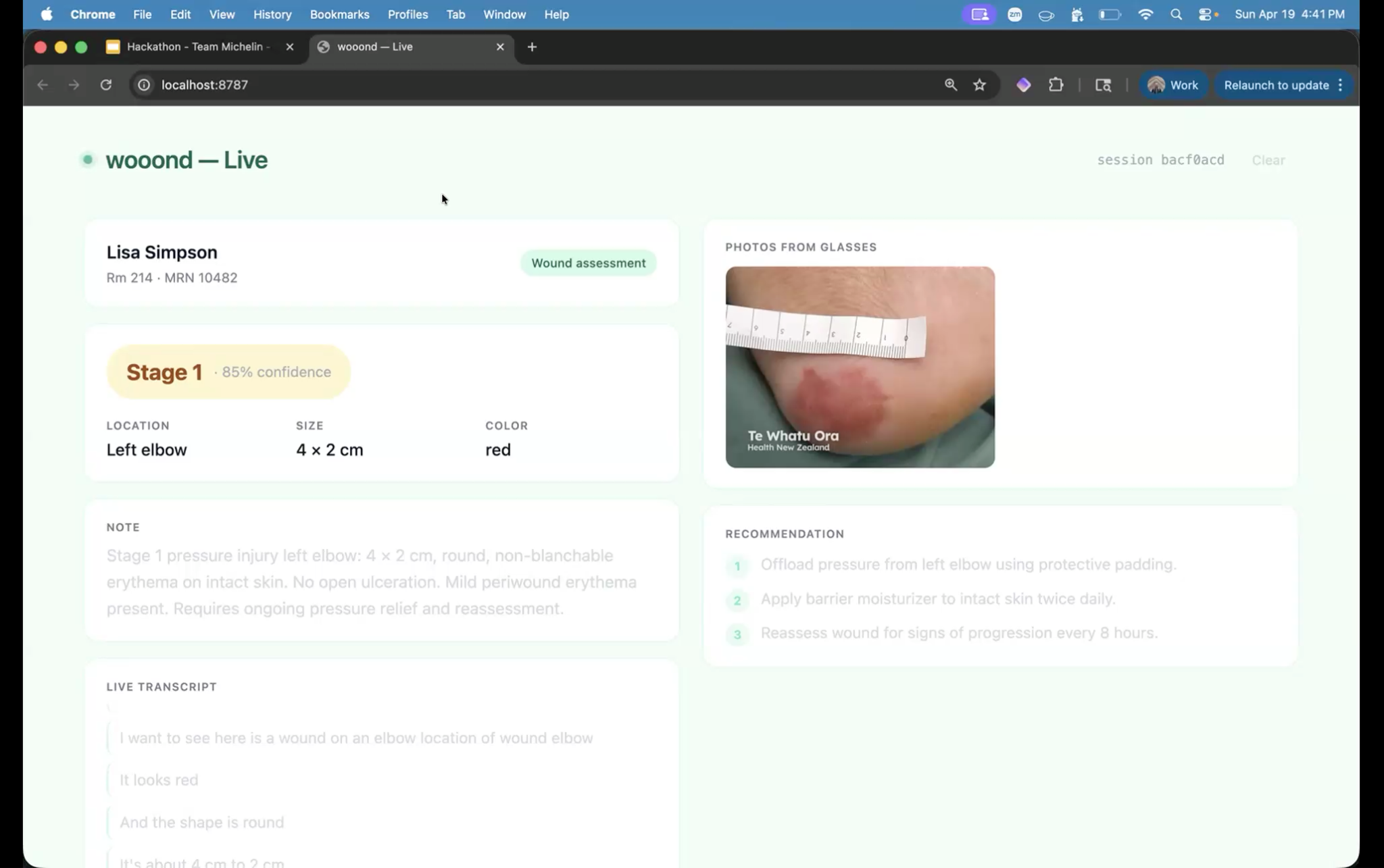
Demo:
—
[NK note: Thought this was excellent for a few reasons.
- It provides expertise to people that may not have seen a lot of wounds
- Excellent use case where having a POV view is useful via Raybans and you need to be hands-free (with gloves
- Really specific but useful workflow - why it’s great to have clinicians at the hackathon
- Company name is a misspelled a word, so it would be an excellent startup]
Mentalist.health
[Winner of the “I'd buy this tomorrow” award]
Team Involved:
Elizabeth Kroll, Andrei Bondarev, Pavan Pinnamaneni, Karsh Pandey, Leela Pawashe
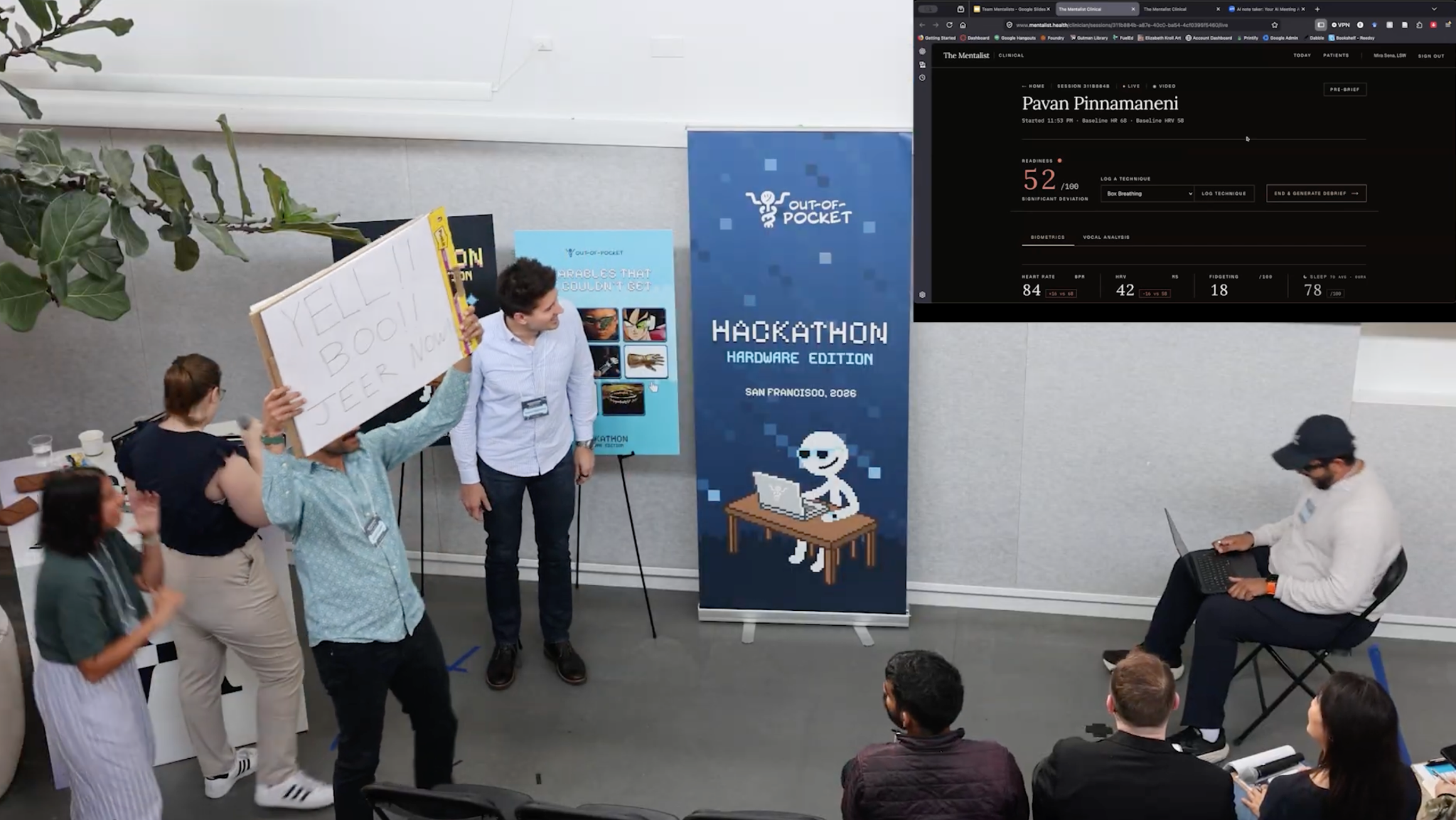
Detailed description:
During tele-health therapy appointments, clinicians miss many of the non-verbal signals (e.g. heart rate) which are critical for providing personalized, effective treatment
Mentalist.health allows therapists to see the full picture. Utilizing consumer wearable technologies, clinicians get real time patient data to provide effective, customized treatment plans when stress cues aren't picked up on camera. Given that 61% of clinicians rate virtual visits worse than in-person, this technology gives clinicians the tools to ensure their techniques are providing meaningful outcomes both inside and outside of the clinical settings.
Hardware used:
Samsung Galaxy Watch, Oura, Meta Ray-Bans
Demo:
—
[NK note: I thought this was really interesting. In general I think the measurements for behavioral/mental health are pretty lacking today. I thought it’s a nifty idea to track things like fidgeting or stress cues to see which situations you’re pumping out some cort.
I also think this is an area where the wearables can BE the intervention itself - the guided box breathing was a cool example. You can imagine the watch talking you down if you’re in a particularly stressful environment, like a Zoom call with your boss labeled “checking in”. ]
EMRE: support coach for kids with Type 1 Diabetes
Team Involved:
Leander Ullmann, Amitoj Sandhu, Janar Tatu, Bethran Nnorom, Marcus Moen
Detailed description:
Zezre is 9. Two months ago, she was rushed to the ER and diagnosed with Type 1 Diabetes. Her parents had never heard the words "carb ratio" or "DKA" before that week.
Now they're home with a binder, a glucose monitor, and a lifetime of decisions to make: every meal, every snack, every birthday party. Her parents are terrified of getting it wrong
Today, there's no simple way for a family to see how small daily choices compound into long-term patterns. Problems surface only when something goes seriously wrong: a trip to the ER, an A1C that jumped, a hypoglycemic scare at school. Luckily EMRE is there to help!
EMRE is a digital twin for kids with Type 1 diabetes. By building a living, virtual model using each child’s data and behavior, we can nudge healthier decisions early
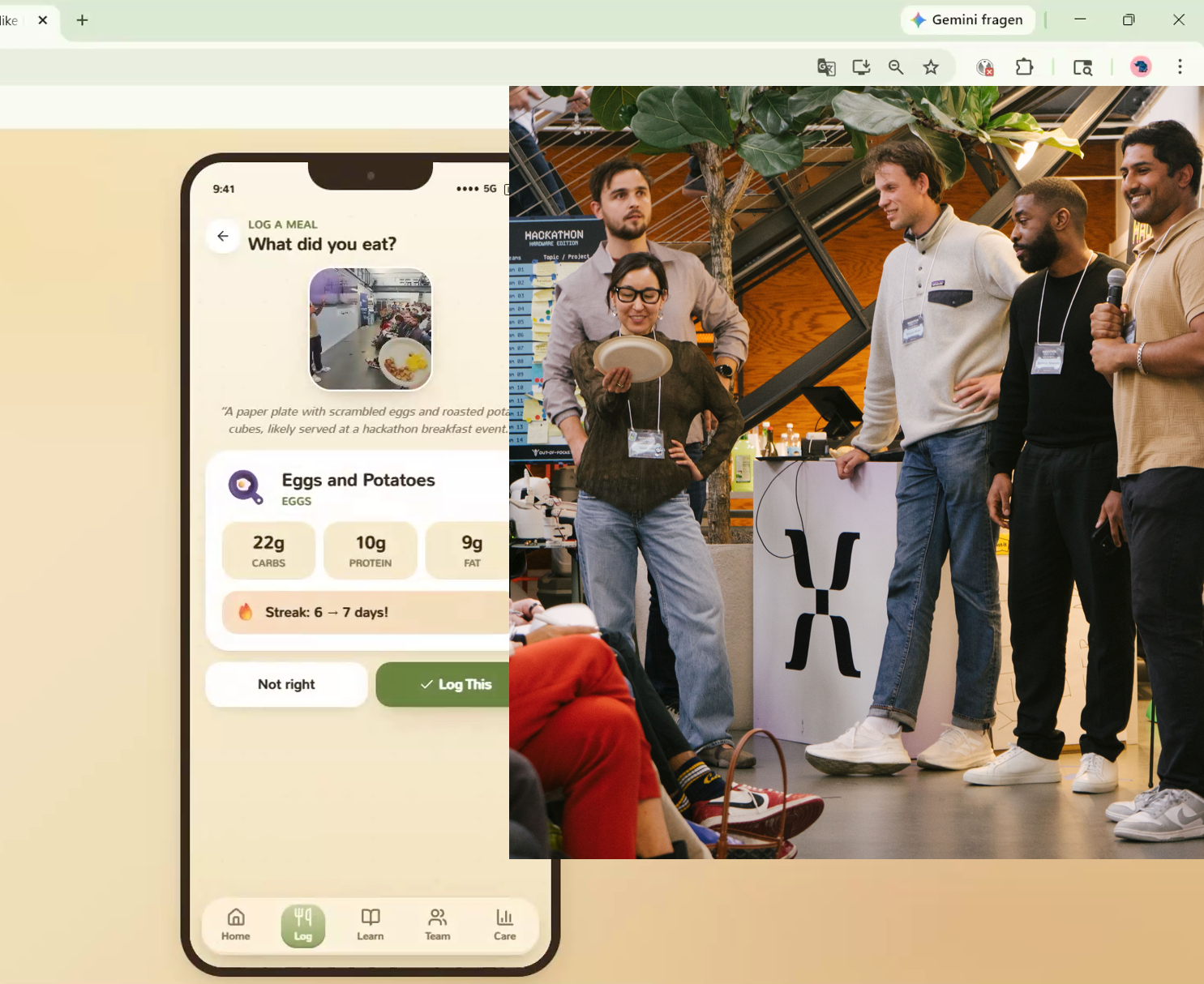
Demo:
—
[NK note: Love how many people built things for kids. Being a kid managing these conditions feels like it would be really tough, and having someone to ask when an expert isn’t around would be really useful. Now the glasses can tell you that Pop Tart is legit going to kill you, if the frosting color didn’t tip you off.]
Nolly - The No-Fall Robot Companion
Team Involved:
Summary:
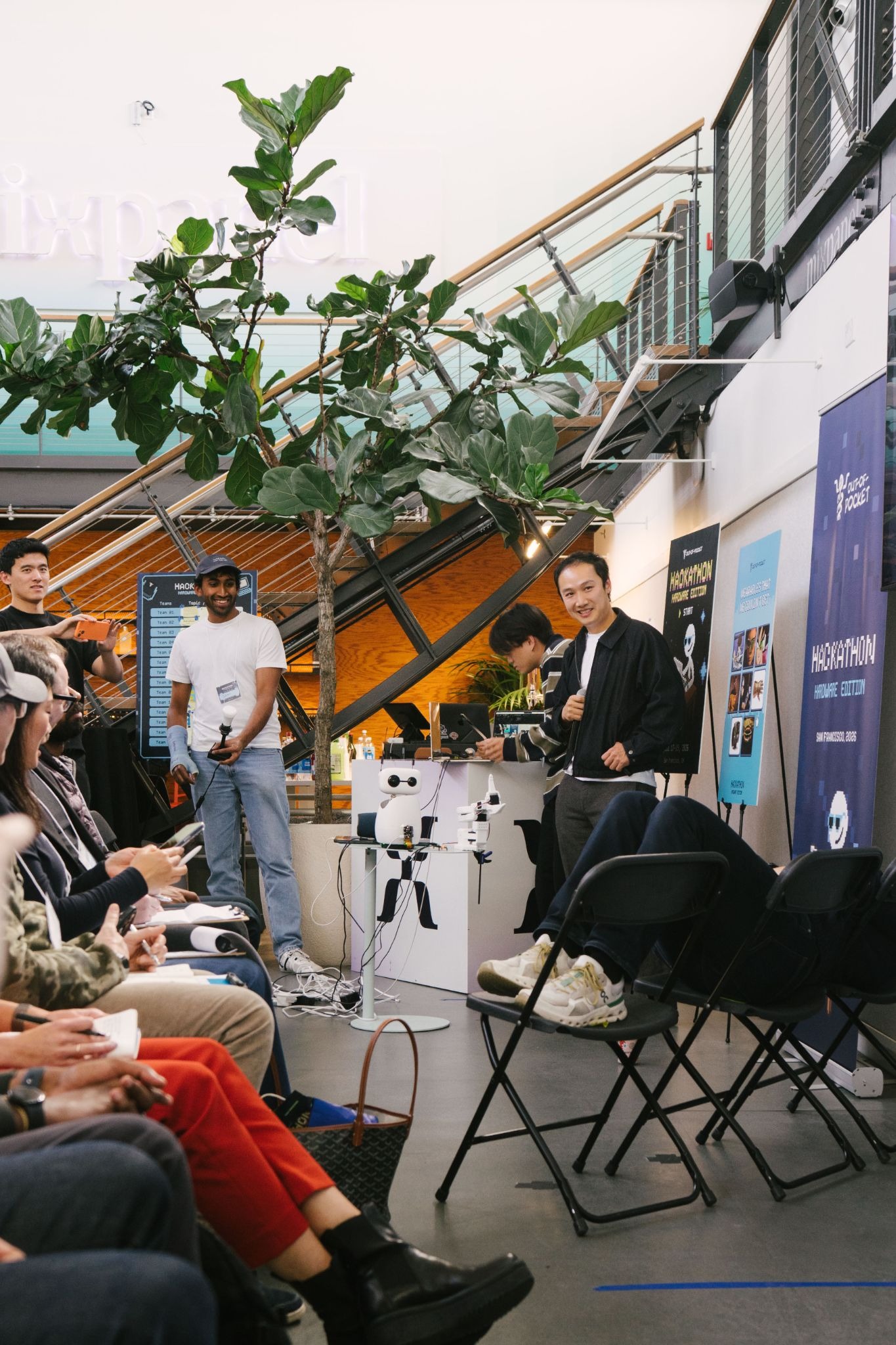
Nolly is no-fall friendly robot for the future senior bedroom that utilizes real time computer vision, mechanical arms, wearable, and smart home integration to prevent, mitigate and act on fall risks. By identifying fall hazards in real time and alerting seniors, and longitudinal tracking of mobility patterns, Nally provides both a proactive safety net and deep clinical insights to help seniors age in place securely.
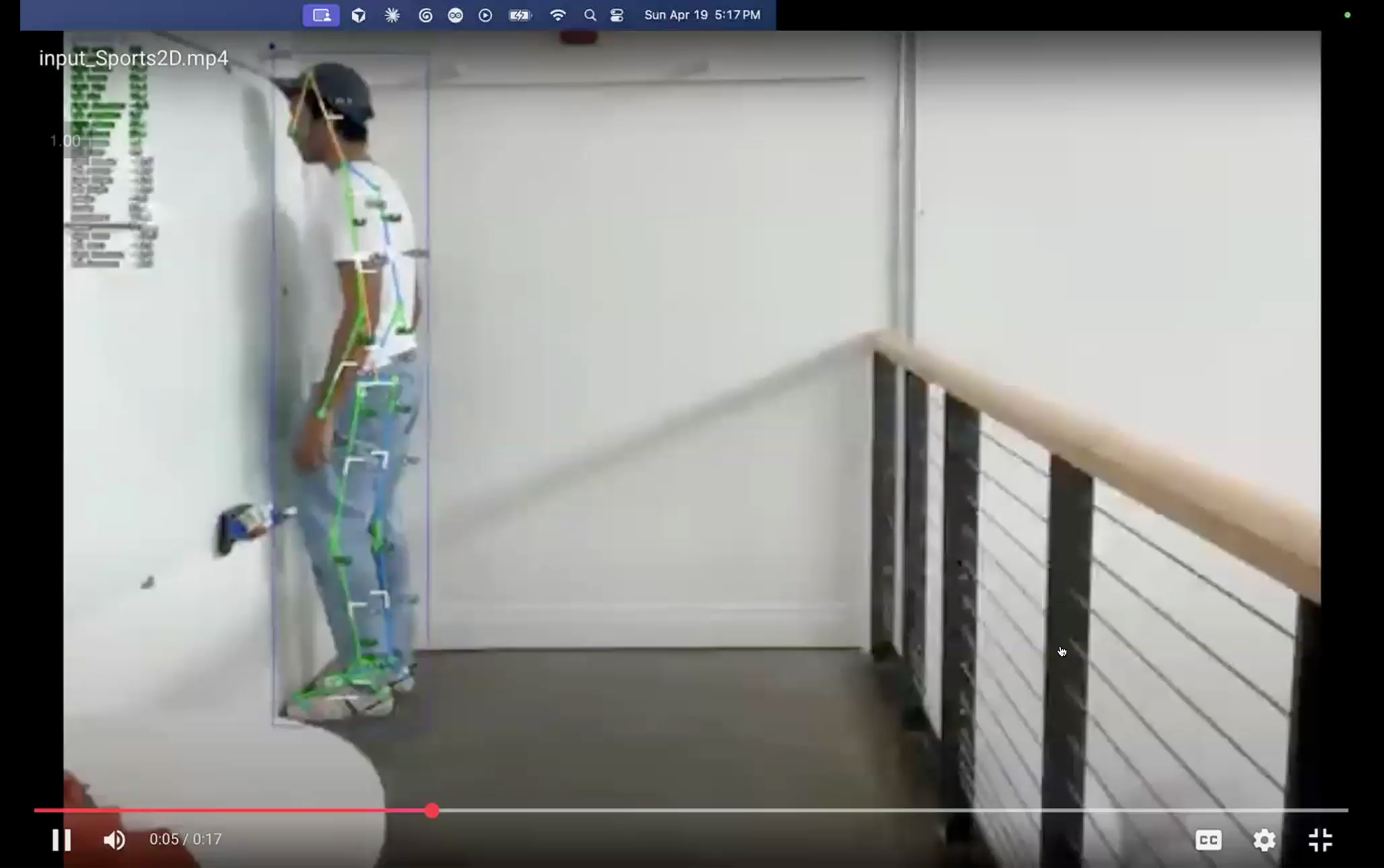
Demo
Watch here - it’s very fun I kinda can’t believe it worked
—
[NK note: Easily the most overengineered project in the whole hackathon but absolutely hilarious to see. Very cool to see what you can do with cheap, open-source hardware, and makes me even more bullish about that future.
Home robots are cute now! I legit think that will normalize having a camera looking around your home - how fun the interactivity is and the utility. But again, one of the big bottlenecks for something like this is just going to be the enormous context window needed to analyze video constantly and look out for multiple things at once.]
Parting thoughts
Hackathons are just so sick lol - you really should participate in one if you never have.
If you wanna chat about custom hackathons built on top of your product or with your company, let’s chat. Big shoutout to our sponsors who made this event possible.
Samsung Health - Powered by advanced AI and smart devices, Samsung Health helps individuals take control of their wellness by integrating exercise, nutrition, sleep and mindfulness. With personalized, data-driven insights, Samsung Health empowers people to make sustainable lifestyle changes and achieve better long-term health outcomes.
b.well Connected Health - b.well Connected Health is a pioneering healthcare software company that empowers individuals to take control of their health journey. Our platform integrates health data, provides personalized insights, and connects users with healthcare providers and wearables, all in one seamless experience, to promote better health outcomes and simplify healthcare management. We standardize all the data into FHIR and provide a simple FHIR API and AI SDK to access that data.
Open Wearables - What if wearable health data were actually open? Open Wearables is the open-source platform that makes it real: one API for device data, transparent scoring algorithms, and an AI reasoning layer so any LLM can work with health intelligence. Self-hosted. Free to use. 5 minutes to set up.
Xmartlabs - Xmartlabs is a product and engineering partner that helps healthcare teams design, build, and scale complex digital products. At the hackathon, Xmartlabs supported builders with practical wearable-data tools - including VytalLink and React Native Health Link - to help teams prototype faster with real health data.
Alyf - Alyf is building the infrastructure for chronic disease management, starting with cardiology. Alyf turns continuous data from hundreds of devices into clinical intelligence - deployed across 3 states and multiple health systems, with first-in-human heart failure outcomes presented at THT 2026. The body tells a story - Alyf translates it into care.
Medplum - Medplum is an open source project, community and company that helps customers build custom medical apps, like custom EHRs, copilots, agents and scribes. Star our repository!
Concentric Labs - Concentric Labs is building the infrastructure to close the gap between what science is capable of and what patients can access. Our platform accelerates the development of life-changing therapies by working directly with scientists behind them to help them get regulatory approval, automate paperwork that takes them away from science, find ways to fund their research, and bring transformative treatments to meet patients where they are.
SUNA - SUNA is a smart wearable for gut health and nutrition.
Vanta - No matter your size, Vanta helps you automate compliance, manage risk, and prove trust continuously—all from a single, agentic platform.
Thinkboi out,
Nikhil aka. “Make me a cyborg already”
Twitter: @nikillinit
Other posts: outofpocket.health/posts
{{sub-form}}
If you're enjoying the newsletter, do me a solid and shoot this over to a friend or healthcare slack channel and tell them to sign up. The line between unemployment and founder of a startup is traction and whether your parents believe you have a job.
Quick Interlude - “Am I a fit for Knowledgefest?”
See All Courses →Based on the questions I’m getting about Knowledgefest, I’m doing a really bad job explaining who should come.
The conference is for anyone building in healthcare.
- It is not specific to companies delivering patient care - Lots of people at software only, insurance, etc are coming.
- Any size of company can come - We have two person just out of YC companies, people that run ops at clinics, to F500 companies.
- You can be any role - Almost every role touches ops in some way. Product, founders, clinical, etc. should definitely come.
You should apply if you’re not sure, and we’ll let you know :)
Get Out-Of-Pocket in your email